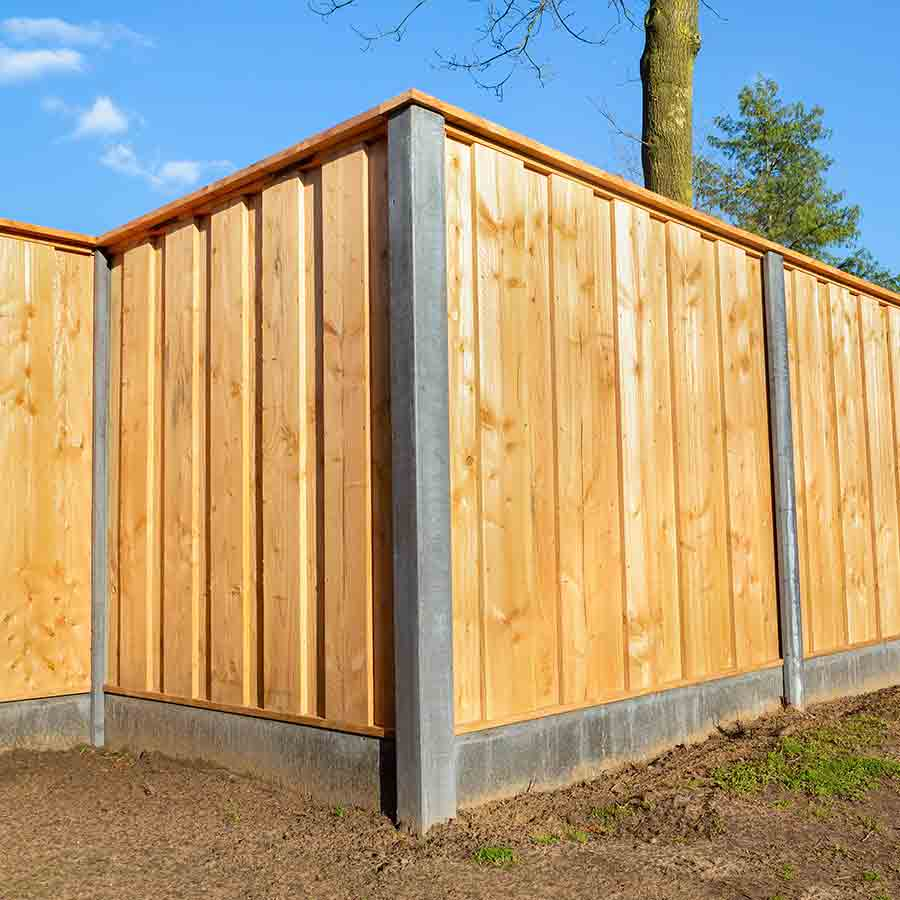
Wickes, a renowned home improvement retailer, offers a wide range of fence panel to cater to diverse gardening needs. These panels come in various materials, styles, and sizes, making it easy to find the perfect option to enhance your outdoor space. In this article, we’ll delve into the world of Wickes fence panels, exploring their features, benefits, and how to choose the right ones for your garden.
Understanding Fence Panels
Fence panels are pre-constructed sections of fencing that can be easily installed to create boundaries, provide privacy, and add aesthetic appeal to your garden. They are available in a variety of materials, including wood, composite, metal, and vinyl.
Key Features of Wickes Fence Panels
Material: Wickes offers fence panels in various materials, each with its own set of advantages:
Wood: Traditional and popular, wooden panels offer a natural look and feel. They are available in different wood types, such as softwood and hardwood, and can be treated to enhance durability and weather resistance.
Composite: Composite panels are a blend of wood fibers and recycled plastic. They are highly durable, low-maintenance, and resistant to rot, insect damage, and fading.
Metal: Metal panels, often made of steel or aluminum, are strong, durable, and require minimal maintenance. They are available in various styles, including modern and traditional designs.
Vinyl: Vinyl panels are a popular choice for their durability, low maintenance, and resistance to rot, insects, and fading. They are available in a variety of colors and styles.
Style: Wickes offers a wide range of fence panel styles to suit different preferences:
Closeboard: Closeboard panels offer maximum privacy with closely spaced vertical boards.
Featheredge: Featheredge panels have overlapping horizontal boards that create a stylish and modern look.
Picket: Picket panels feature vertical slats spaced apart, providing a classic and traditional look.
Trellis: Trellis panels are ideal for climbing plants and can be used to create a natural and attractive boundary.
Size: Wickes offers fence panels in various sizes, allowing you to choose the right height and width for your specific needs.
Benefits of Using Wickes Fence Panels
Easy Installation: Wickes fence panels are designed for easy installation, even for DIY enthusiasts. They come with pre-drilled holes and can be easily secured to posts or other fencing components.
Durability: Wickes fence panels are made from high-quality materials and are built to last. They are resistant to weather damage, rot, insect infestation, and fading, ensuring long-lasting performance.
Low Maintenance: Many Wickes fence panels require minimal maintenance. Wooden panels may need occasional treatment, while composite and vinyl panels generally only require cleaning.
Variety of Styles: With a wide range of styles and materials available, you can choose the perfect fence panels to complement your garden’s design and enhance its overall appeal.
Affordability: Wickes offers a variety of fence panels at affordable prices, making it easy to find options that fit your budget.
Choosing the Right Fence Panels for Your Garden
When choosing fence panels for your garden, consider the following factors:
Purpose: Determine the primary purpose of the fence, whether it’s to provide privacy, security, or simply add aesthetic appeal.
Material: Choose a material that suits your budget, maintenance preferences, and desired look.
Style: Select a style that complements your home’s architecture and your personal taste.
Size: Consider the height and width of the panels to ensure they meet your needs and comply with local regulations.
Installation: Assess your DIY skills and consider hiring a professional installer if needed.
Types of Fence Panels at Wickes
Wickes provides a variety of fence panel types to suit different preferences and purposes. Here are the most common types available:
Closeboard Fence Panels: These traditional panels offer excellent privacy and security. They consist of closely spaced vertical boards, creating a solid barrier.
Featheredge Fence Panels: Featuring vertically placed, closely spaced feather-edged boards, these panels provide a more open and airy look. They are ideal for creating a semi-private boundary.
Overlap Fence Panels: These panels offer a contemporary and stylish appearance. The overlapping boards create a sleek and modern look, while also providing good privacy.
Picket Fence Panels: Perfect for creating a charming and traditional look, picket fence panels feature vertical, evenly spaced slats. They are often used for front garden boundaries or to define different areas within a garden.
Composite Fence Panels: These durable and low-maintenance panels are made from a combination of recycled materials and wood fibers. They are resistant to rot, insect damage, and fading, making them a popular choice for modern gardens.
Materials Used in Wickes Fence Panels
Wickes offers fence panels made from various materials, each with its own set of advantages:
Timber: Timber fence panels are a classic choice, offering a natural and rustic look. They are available in different wood types, such as softwood and hardwood, each with its own characteristics and durability.
Pressure-Treated Timber: Pressure-treated timber is treated with chemicals to protect it from rot and insect damage. It is a popular choice for outdoor applications and offers a good balance of durability and affordability.
Composite: Composite fence panels are a modern and eco-friendly option. They are made from a mixture of recycled materials and wood fibers, providing a durable and low-maintenance solution.
Installing Fence Panels from Wickes
Installing fence panels from Wickes is a relatively straightforward process. Here are the basic steps involved:
Prepare the area: Clear the area where you want to install the fence and mark out the desired length.
Dig the post holes: Dig holes for the fence posts, ensuring they are deep enough and spaced at the appropriate intervals.
Install the posts: Place the fence posts in the holes and secure them with concrete or post mix.
Attach the panels: Attach the fence panels to the posts using screws or nails, following the manufacturer’s instructions.
Add a fence topper (optional): If desired, add a fence topper to the top of the fence for added decoration or security.
FAQs
Q: What is the average lifespan of a Wickes fence panel?
A: The lifespan of a Wickes fence panel depends on the material and the level of maintenance. Well-maintained timber panels can last for several decades, while composite panels can last even longer.
Q: Do I need planning permission to install a fence panel?
A: In most cases, you do not need planning permission to install a fence panel. However, it is always best to check with your local planning authority to be sure.
Q: Can I install Wickes fence panels myself?
A: Yes, you can install Wickes fence panel yourself. However, if you are unsure, it is best to hire a professional.
Q: How often should I treat my timber fence panels?
A: It is recommended to treat your timber fence panels every 1-2 years to protect them from rot and insect damage.
Q: Can I paint my Wickes fence panels?
A: Yes, you can paint your Wickes fence panels to match your desired colour scheme. However, it is important to choose a suitable exterior paint that can withstand the weather.
In Summary
Wickes offers a wide range of high-quality fence panels to suit every need and budget. By carefully considering your requirements and following the tips provided in this article, you can choose the perfect fence panels to enhance your outdoor space.
To read more, Click here

