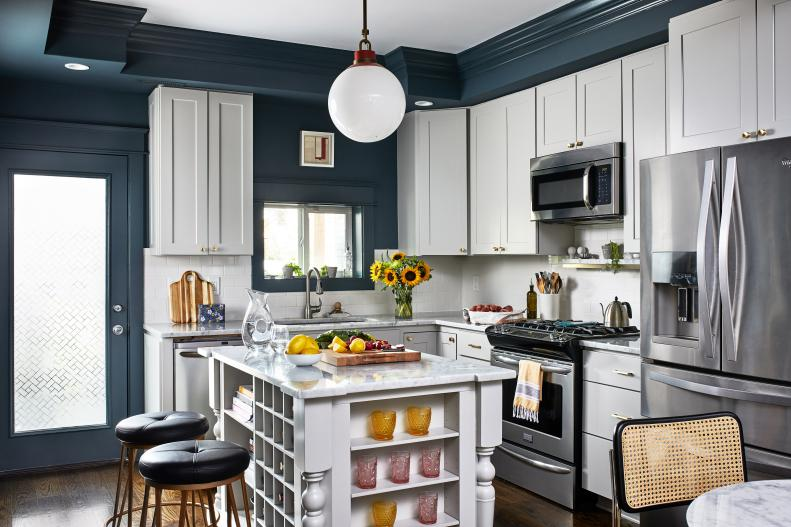
Choosing the right paint for your kitchen can significantly impact its overall appearance and durability. With so many options available, it can be overwhelming to decide which one is best suited for your space. This comprehensive guide will provide you with essential information about kitchen paint, including factors to consider, popular types, application tips, and maintenance advice.
Factors to Consider When Choosing Kitchen Paint
Before selecting a kitchen paint, it’s crucial to consider the following factors:
Durability: Kitchens are high-traffic areas prone to spills, stains, and grease. Opt for a paint with excellent durability, such as enamel or semi-gloss finishes. These coatings are more resistant to moisture and stains, making them ideal for kitchen environments.
Sheen: The sheen of paint refers to its level of glossiness or matte finish. High-sheen paints (satin, semi-gloss, or gloss) are easier to clean and more resistant to stains. However, they may highlight imperfections on the walls. Matte finishes, on the other hand, can help to hide minor flaws but may be more difficult to clean.
Color: The color of your kitchen paint can significantly impact the overall mood and atmosphere of the space. Consider the natural light, existing appliances, and your personal style when choosing colours. Light colours can make a small kitchen feel larger, while darker shades can create a more intimate ambience.
VOC Content: Volatile organic compounds (VOCs) are harmful chemicals emitted by paints. Opt for low-VOC or zero-VOC paints to improve indoor air quality, especially in areas where food is prepared and consumed.
Popular Types of Kitchen Paint
Enamel Paint: Enamel paints are known for their durability, glossiness, and resistance to stains and moisture. They are excellent choices for high-traffic areas like kitchens.
Latex Paint: Latex paints are water-based and offer good durability, breathability, and low VOC content. They are a popular choice for kitchens due to their ease of application and cleanup.
Chalkboard Paint: For a unique and functional touch, consider chalkboard paint. It allows you to write and erase messages or recipes directly on your kitchen walls.
Magnetic Paint: Magnetic paint can be used to create a magnetic surface on your kitchen walls, allowing you to hang notes, photos, or recipes without using tacks or nails.
Application Tips for Kitchen Paint
Prepare the Surface: Ensure the surface is clean, dry, and free of any loose paint or wallpaper. Use caulk or spackle to seal any holes or gaps.
Prime the Surface: Priming is essential for ensuring proper adhesion and durability of the paint. Make use of a primer made especially for the kind of surface you plan to paint.
Apply Several Coats: For the best coverage and longevity, apply a minimum of two coats of paint. Prior to applying the second layer, let the first coat completely dry.
Use Quality Brushes and Rollers: Invest in high-quality brushes and rollers for a smooth and even finish.
Ventilation: Ensure proper ventilation during painting to reduce exposure to VOCs.
Maintenance Tips for Kitchen Paint
Regular Cleaning: Wipe down walls regularly with a damp cloth to remove dirt, grease, and spills. Steer clear of harsh chemicals that could harm the paint.
Touch-ups: If you notice any chips or scratches, touch up the paint promptly to prevent further damage.
Repainting: Over time, paint may fade or become damaged. If necessary, repaint your kitchen walls to maintain a fresh and vibrant appearance.
By carefully considering these factors and following the application and maintenance tips, you can choose the perfect kitchen paint to create a beautiful and durable space.
Choosing the Right Color
The colour of your kitchen paint can significantly impact the overall mood and ambience.
Here are some factors to consider:
Natural Light:
Dark colours can make a small kitchen feel even smaller, while lighter colours can create a sense of spaciousness. Consider the amount of natural light your kitchen receives when selecting colours.
Personal Style:
Choose colours that reflect your style and preferences. Whether you prefer classic, modern, or eclectic, there’s a kitchen paint colour to suit your taste.
Complementary Colors:
Consider the colours of your countertops, cabinets, and appliances when selecting paint. Complementary colours can create a visually appealing contrast, while similar colors can create a cohesive look.
Psychological Effects:
Colors can evoke different emotions. For example, blue can create a calming atmosphere, while red can stimulate appetite. Consider the desired mood you want to achieve in your kitchen.
Popular Kitchen Paint Color Trends
Here are some popular kitchen paint colour trends to inspire your design:
Neutral Tones: Timeless and versatile, neutral colours like white, grey, and beige are popular choices for kitchens.
Bold Accents: Add a pop of color with a bold accent wall or feature ceiling. Consider vibrant hues like navy, emerald green, or deep red.
Earthy Tones: Create a warm and inviting atmosphere with earthy tones like brown, olive green, and terracotta.
Two-Tone Kitchens: Combine different colors for a visually interesting and dynamic look. For example, you could paint the upper cabinets one color and the lower cabinets another.
Preparing Your Kitchen for Painting
Before you start painting, it’s essential to properly prepare your kitchen. Here are some steps to follow:
Clear the Space: Remove any furniture, appliances, and decor from the kitchen.
Clean the Surfaces: Wash the walls and ceilings with a degreaser to remove dirt and grime.
Fill Holes and Cracks: Repair any damage to the walls or ceiling using spackle or patching compound.
Prime the Surfaces: Apply a primer to ensure the paint adheres properly and provides a uniform base.
Sand and Dust: Sand the primed surfaces to smooth them out and remove any dust.
Painting Techniques and Tips
Here are some helpful tips for painting your kitchen:
Use a Quality Paintbrush: A good-quality paintbrush will ensure a smooth and even finish.
Apply Multiple Coats: Apply two or three coats of paint for optimal coverage and durability.
Cut in Before Rolling: Use a paintbrush to cut in along the edges of the walls and ceiling before rolling.
Roll in Even Strokes: Roll the paint in long, even strokes to avoid streaks.
Allow Sufficient Drying Time: Allow the paint to dry completely between coats.
FAQs
What is kitchen paint?
Kitchen paint is a type of paint that is specifically designed for use in kitchens. It is resistant to moisture, heat, and grease, and it is easy to clean. Kitchen paint is typically available in a variety of colours and finishes.
What are the different types of kitchen paint?
There are three main types of kitchen paint: latex, oil-based, and epoxy. Latex paint is the most popular type of kitchen paint because it is easy to apply and clean. Oil-based paint is more durable than latex paint, but it is more difficult to apply and clean. Epoxy paint is the most durable type of kitchen paint, but it is also the most difficult to apply.
How do I choose the right kitchen paint?
The best type of kitchen paint for you will depend on your personal preferences and the type of kitchen you have. If you have a lot of grease and grime in your kitchen, you may want to choose an oil-based or epoxy paint. If you want paint that is easy to apply and clean, you may want to choose latex paint.
How do I apply kitchen paint?
The process of applying kitchen paint is similar to the process of applying other types of paint. You will need to clean the surface to be painted, apply a primer if necessary, and then apply the paint in thin, even coats. Allow the paint to dry completely between coats.
How do I care for kitchen paint?
To care for your kitchen paint, you will need to clean it regularly with mild soap and water. You should also avoid using harsh chemicals or abrasive cleaners. If your kitchen paint becomes chipped or scratched, you can touch it up with a small amount of paint.
In Summary
Choosing the right kitchen paint colour and finish can transform your space into a beautiful and functional area. By carefully considering factors like natural light, personal style, and colour psychology, you can create a kitchen that reflects your unique personality. Remember to prepare your kitchen properly and follow the painting techniques outlined in this guide for a successful project.
To read more, Click here